Judge Strikes Down Calif. Ban Newsom Signed On AI Political Ads
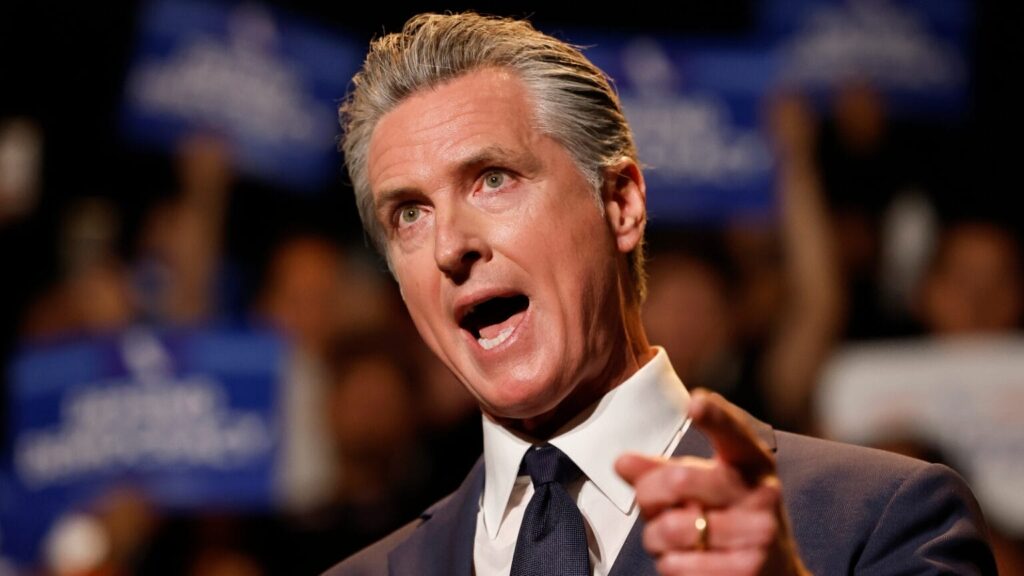
A federal judge struck down two California laws aimed at stopping artificial intelligence from being used to influence elections, ruling the measures violated constitutional speech protections and federal law.
Senior U.S. District Judge John Mendez, a George W. Bush nominee, on Friday barred enforcement of Assembly Bill 2839, which prohibited AI-generated “disinformation and deepfakes” in political ads 120 days before an election. The measure had been challenged by internet personalities and the satirical site The Babylon Bee, The Washington Times reported.
“To be sure, deepfakes and artificially manipulated media arguably pose significant risks to electoral integrity, but the challenges launched by digital content on a global scale cannot be quashed through censorship or legislative fiat,” Mendez wrote. “Just as the government may not dictate the canon of comedy, California cannot preemptively sterilize political content.”
Mendez also issued a judgment against Assembly Bill 2655, which required online platforms to remove such material. He had previously ruled the law conflicted with Section 230 of the federal Communications Decency Act, which shields platforms from liability over third-party content. That measure was challenged by platforms X and Rumble.
California Gov. Gavin Newsom signed both bills in September 2024, warning of the risks AI poses to democratic trust. “It’s critical that we ensure AI is not deployed to undermine the public’s trust through disinformation — especially in today’s fraught political climate,” he said at the time.
The court’s ruling halts California’s attempt to become the first state in the nation to regulate AI political content heading into the 2026 election cycle.
“California is entering its first-ever generative artificial intelligence (AI) election, in which disinformation powered by generative AI will pollute our information ecosystems like never before. In a few clicks, using current technology, bad actors now have the power to create a false image of a candidate accepting a bribe, a fake video of an elections official “caught on tape” saying that voting machines are not secure, or generate an artificial robocall in the Governor’s voice incorrectly telling millions of Californians their voting site has changed,” the state of California Assembly members who introduced the bill said in a “fact sheet” when they began promoting the legislation.
“Those trying to influence campaigns—conspiracy theorists, foreign states, online trolls, and even candidates themselves—are already creating and distributing deepfake images, audio, and video content, in the US and around the world,” the fact sheet noted.
“This generative AI-fueled disinformation can affect voter behavior and undermine faith in our elections. With this expected onslaught already starting, voters in 2024 will not know what images, audio, or video they can trust, and their faith in election integrity and our democracy will be significantly diminished,” it continued.
“AB 2839 will protect democracy by limiting the spread of disinformation and deepfakes in political campaign ads including mailers, television, robocalls, text, and radio,” said the sheet.
“In order to ensure California elections are free and fair, California must, for a limited time before and after elections, prevent the use of deepfakes and disinformation meant to prevent voters from voting or otherwise deceive voters based on fraudulent content. This must be done in a way that is narrowly tailored and consistent with the First Amendment,” it said.
“Consistent with these principles, AB 2839: Bans the distribution of specified AI-generated or manipulated political communications that portray misleading information about voting procedures, elections equipment, candidates. This would apply to robocalls, political mailers, TV ads, and other materials, within 120 days before an election and, for those regarding election officials or voting systems, within 60 days after the election,” the fact sheet went on.
“Requires candidates using AI to portray themselves doing or saying something they did not do or say to label the image, audio, or video as manipulated. 3. Provides a fast track for injunctive relief to stop violations of the bill,” it said, adding that the law “provides a fast track for injunctive relief to stop violations of the bill.”