How Your Feet Can Indicate Heart Health Issues
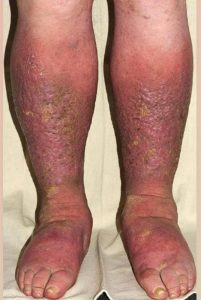
While your feet might seem distant from your heart, they can actually provide important clues about your cardiovascular health. Pain, swelling, numbness, or other unusual changes in your feet might signal a circulation problem or even heart issues. One such condition is peripheral artery disease (PAD), which occurs when plaque builds up in the arteries, restricting blood flow to the legs and feet.
PAD often causes cramps, particularly when walking, and, if untreated, can lead to severe complications like non-healing wounds or limb loss. Early detection is essential. Tests like the ankle-brachial index (ABI)—which compares blood pressure in the ankles and arms—can help identify issues early on, as can checking for pulses in the feet.
Another red flag is swelling in the feet or ankles, known as peripheral edema. This could be a sign of weakened heart function and may require prompt medical attention.
Taking care of your feet and paying attention to any changes can be a step toward protecting your heart and overall well-being.
How Your Feet Can Indicate Heart Health Issues: A Vital Link Between Circulation and Heart Function
Your feet may seem far removed from your heart, but they can actually provide valuable insights into your cardiovascular health. Conditions affecting your heart or blood circulation often manifest in subtle signs in your feet, such as pain, swelling, numbness, or other unusual changes. These symptoms could be a red flag for serious health problems, such as peripheral artery disease (PAD), which can significantly impact your overall well-being.
What is Peripheral Artery Disease (PAD)?
PAD is a condition where plaque builds up in the arteries, limiting blood flow to your legs and feet. This reduced circulation can cause several symptoms, including cramping or pain, particularly when walking or exercising. The discomfort may subside with rest, but over time, untreated PAD can lead to severe complications like non-healing sores or even loss of limbs. Recognizing these symptoms early is crucial for preventing these life-threatening conditions.
Early diagnosis is vital because PAD, in its early stages, may not present obvious signs. Regular check-ups and paying attention to your body’s subtle signals, like foot pain or cramps while walking, can provide clues that lead to early detection. Tests like the ankle-brachial index (ABI)—which compares blood pressure readings between the ankles and the arms—can detect reduced blood flow. Monitoring the pulse in your feet is another way healthcare professionals check for PAD, especially when symptoms appear.
The Role of Swelling in Your Feet and Ankles
Swelling in the feet or ankles, also known as peripheral edema, is another key symptom that could indicate heart problems. When the heart is unable to pump blood efficiently, it can cause a buildup of fluid in the lower extremities. This condition may also accompany other symptoms like shortness of breath or fatigue, indicating that your heart might not be functioning optimally.
Peripheral edema can be caused by a variety of factors, including weakened heart function or problems with the veins in the legs. It is important to take this symptom seriously, as persistent swelling in the feet and ankles may signal heart failure or other serious cardiovascular conditions.
Other Warning Signs to Watch for in Your Feet
In addition to pain, cramps, and swelling, there are other warning signs that may indicate heart-related problems. These include:
-
Cold feet: A sudden drop in temperature in your feet could indicate poor blood circulation.
-
Changes in skin color or texture: If your feet turn pale, bluish, or develop a shiny appearance, this could be a sign of inadequate blood flow.
-
Numbness or tingling: Reduced blood flow to the feet can cause a sensation of numbness, tingling, or a “pins and needles” feeling, which may be indicative of nerve damage or circulation issues.
-
Slow wound healing: If cuts, blisters, or other injuries on your feet take longer than usual to heal, it could suggest poor circulation or a more serious underlying issue.
What Can You Do to Protect Your Heart and Feet?
Taking proactive steps toward heart health is essential in preventing these conditions. Here are a few things you can do to support both your feet and heart:
-
Exercise regularly: Physical activity helps improve circulation, reducing the risk of PAD and other cardiovascular diseases.
-
Monitor your blood pressure: Keep track of your blood pressure levels and consult your doctor if you notice any changes.
-
Adopt a healthy diet: Eating a balanced diet rich in fruits, vegetables, whole grains, and lean proteins can help manage cholesterol and blood pressure levels.
-
Quit smoking: Smoking is a major risk factor for PAD and heart disease, so quitting can improve circulation and heart health.
-
Check your feet regularly: Inspect your feet for any changes, especially if you have a history of heart problems or diabetes. Early detection can prevent serious complications.
In conclusion, your feet provide important signals about your heart health. If you notice any unusual symptoms, such as pain, swelling, or changes in color or texture, it’s important to seek medical attention promptly. Early intervention can prevent complications and improve your overall cardiovascular health, leading to a healthier and longer life. Taking care of your feet and maintaining good circulation can significantly reduce your risk of heart disease and other related conditions.