Florida Seeks to Ban All H1-B Visa Hires At State’s Public Universities
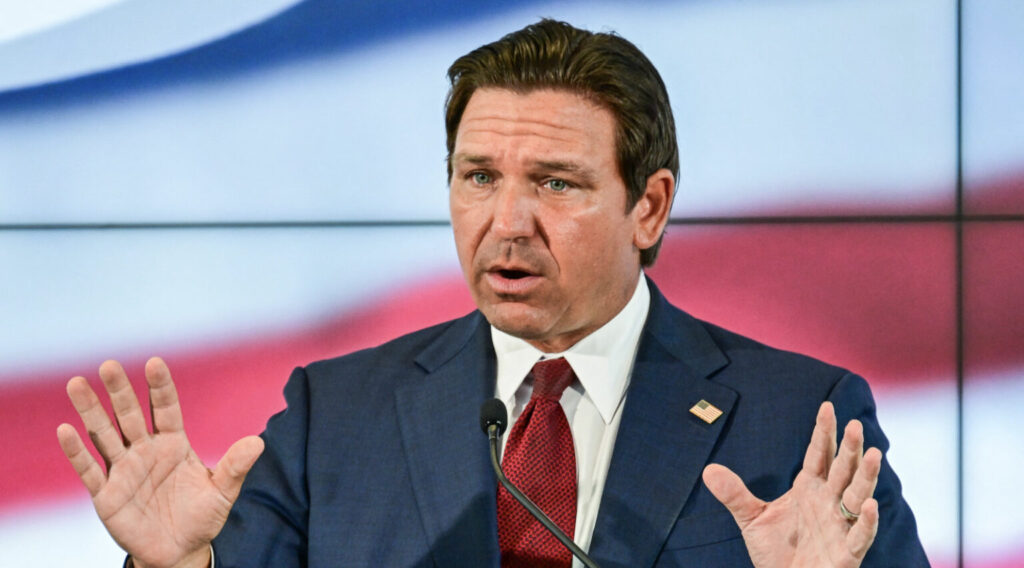
Florida state officials have proposed a measure that would bar all public universities in the state from hiring new foreign workers on H-1B visas, a step supporters say is intended to bolster opportunities for American graduates and critics warn could hurt institutions’ ability to compete for talent.
Under the legislative proposal, public universities and colleges would be prohibited from sponsoring or employing new H-1B workers, though individuals already employed on such visas would be allowed to remain. The plan would apply only to state institutions, not private colleges or employers outside the state university system, Politico reported last week.
The proposal follows an order from Florida Governor Ron DeSantis, who in October instructed the state’s public universities to discontinue the use of H-1B visas. Fourteen of the 17 members of the Board of Governors are appointed by the governor and confirmed by the state Senate.
DeSantis noted that some professors are coming from China, “supposed Palestine” and elsewhere, all places that are not generally considered U.S. allies. “We need to make sure our citizens here in Florida are first in line for job opportunities,” he said.
During the last fiscal year, data from the U.S. Citizenship and Immigration Services revealed that the federal government approved 253 H-1B visas for individuals to work at the University of Florida. Additionally, approximately 110 visas were approved for Florida State University and the University of South Florida, while the University of Central Florida received 47 approvals. Smaller numbers were granted at other public institutions. Universities utilize the H-1B program to hire faculty, doctors, and researchers, arguing that it is essential to meet the demands in areas such as healthcare and engineering.
The policy revisions would also say that each university board’s “personnel program must not discriminate on the basis of race, color, religion, national origin, or sex.”
Proponents of the proposal argue that the policy would open additional job openings for U.S. citizens, particularly graduates from Florida’s universities, and help address local workforce needs amid record college enrollment and post-graduation job searches.
Opponents, including some higher-education administrators and industry groups, contend that restricting access to H-1B talent could limit universities’ ability to recruit qualified faculty and researchers, particularly in high-skill fields such as science, technology, engineering, and mathematics.
Supporters of the ban say it reflects broader concerns about the impact of foreign labor on U.S. workers and echoes state efforts to prioritize domestic hiring in government-related roles. Critics counter that restricting access to international talent could weaken academic competitiveness and reduce global research collaborations.
The proposal is now under review in the Florida Legislature as lawmakers consider whether to adopt the changes and how they might affect the state’s higher-education institutions and broader economy.
Last August, DeSantis vowed to resist a federal judge’s order shutting down the controversial detention facility nicknamed “Alligator Alcatraz.”
The facility has been a hub of illegal alien deportations in the State of Florida. However, DeSantis appears to have anticipated the judge’s move and has instituted a ‘back-up plan.’
“This was not something that was unexpected. This is a judge that was not going to give us a fair shake. This was preordained. Very much an activist judge that is trying to do policy from the bench,” DeSantis said at a press conference. “This is not going to deter us. We are going to continue working on the deportations, advancing that mission.”
The comments came after U.S. District Judge Kathleen Williams, an Obama appointee, issued an 82-page order halting new detainees at the facility in Ochopee, Florida, and requiring its dismantling within 60 days. Williams cited the National Environmental Policy Act (NEPA) and claims of environmental harm raised by the Miccosukee Tribe and advocacy groups.
Her ruling was overturned on appeal.