Hillary Clinton Demands Public Testimony in Jeffrey Epstein Probe
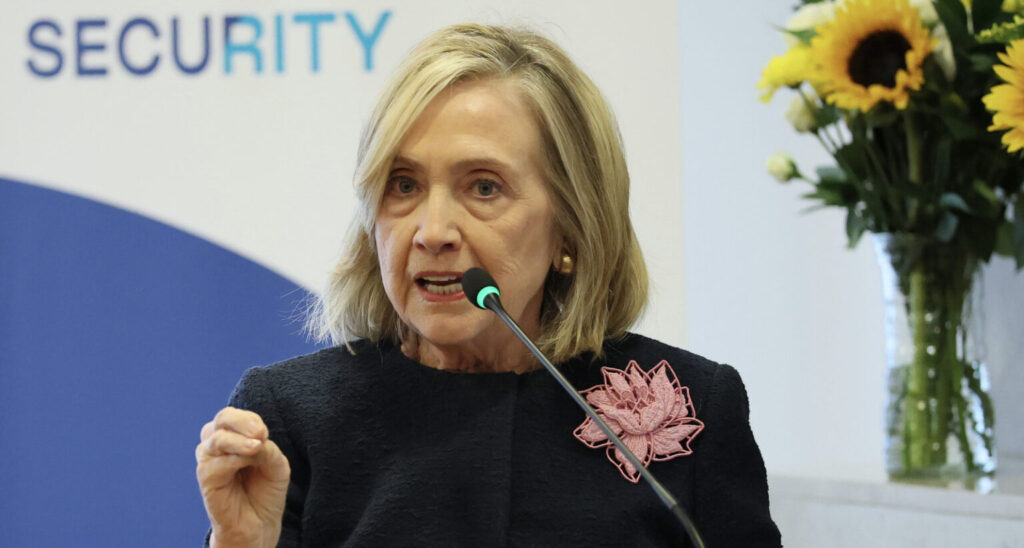
Former Secretary of State Hillary Clinton is pushing House Republicans to hold her upcoming testimony in the congressional investigation into ties between powerful political figures and convicted sex offender Jeffrey Epstein in public, turning what was planned as a private deposition into a potential high-profile hearing.
Clinton took to X Thursday morning to demand that her testimony before the House Oversight Committee be conducted openly and with cameras present, asserting that Republicans’ stated goal of transparency would be best served by a public forum. Clinton wrote that if Oversight Chairman James Comer (R-Ky.) wanted a fight over transparency, she was prepared to give it “in public.”
The former Democratic presidential nominee and her husband, former President Bill Clinton, are scheduled to appear before the committee later this month after months of negotiations between their lawyers and Republican lawmakers. Comer announced Tuesday that Hillary Clinton is set to testify on Feb. 26, with Bill Clinton to follow on Feb. 27. The initial plan called for closed-door depositions that would be transcribed and made part of the congressional record.
Clinton’s demand represents a significant escalation in the dispute over how the testimony will be conducted. In a second X post Thursday, Clinton said she and her husband had engaged with Oversight Republicans “in good faith” for six months and had already “told them what we know, under oath.” She accused the committee of shifting its tactics and “turning accountability into an exercise in distraction.”
“This is about fairness and visibility,” Clinton spokesman Angel Ureña said in a statement Monday. “They negotiated in good faith and look forward to setting a precedent that applies to everyone.”
If granted, public hearings would mark the first time a former president and first lady have testified under subpoena before Congress, a moment that both sides are framing as a referendum on transparency and accountability in Washington.
Comer, however, has signaled no willingness to change course. In his announcement earlier this week, he emphasized that Republicans and Democrats on the committee had agreed that “no one is above the law — and that includes the Clintons.” He said the Clintons “completely caved and will appear for transcribed, filmed depositions this month,” adding that lawmakers looked forward to questioning them “to deliver transparency and accountability for the American people and for survivors” of Epstein’s crimes.
A potential contempt vote against the Clintons had been looming in the GOP-led House before the pair agreed to appear. That vote has since been shelved, but Comer’s comments suggested that Republicans believe they have achieved a victory by compelling appearances after months of resistance.
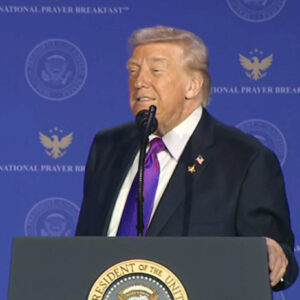
President Donald Trump weighed in Wednesday, expressing discomfort at Congress targeting Bill Clinton, whom he described as “a longtime acquaintance.” Speaking from the Oval Office, Trump said he always liked the former president and offered praise for Hillary Clinton, calling her “a very capable woman” and “a smart woman,” even as Republican leaders press forward with their oversight efforts.
Democrats on the committee and in the broader House have criticized Republicans’ handling of the inquiry. Some Democratic lawmakers argue that the focus on the Clintons diverts attention from evidence involving other individuals and sectors, while others contend that closed-door testimony is appropriate for sensitive material.
Legal experts say Clinton’s push for public hearings could complicate the committee’s timeline but reinforces her public relations strategy by placing the spotlight on Republicans’ conduct. “This is as much a media and political maneuver as it is a procedural one,” said a congressional oversight attorney not involved in the matter. “A public hearing will bring cameras and public statements but may limit the committee’s ability to explore sensitive classified or personal information.”
The Oversight Committee is expected to finalize its logistics in the coming days. Both parties on the panel will negotiate the format, ground rules, and scope of the testimony, including whether audience seating, live broadcasts, or phasing of questions will be permitted.